Blog
Why does metal rust?
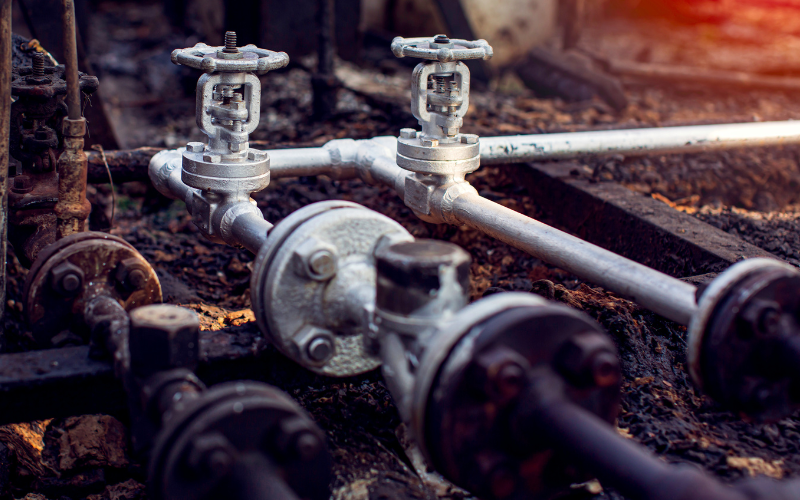
You may already know how metal oxidation works, but we'll explain it today. It's a natural chemical process that occurs when metal comes into contact with... he oxygen and humidity, which leads to the formation of oxides, more commonly known as rust in the case of iron and steel. This phenomenon is a form of corrosionwhich not only deteriorates the appearance of the metal, but also affects its structural resistancemaking it fragile and brittle over time. The oxidation process begins when oxygen in the air reacts with the surface of the metal, forming a layer of metallic oxideHowever, in some metals such as aluminum or the copperThis layer acts as a protective barrier which prevents deeper corrosion. In the case of iron and steelThe oxide that forms is porous and brittleallowing moisture and oxygen to continue penetrating the material and accelerating its degradation.Factors that accelerate metal oxidation
Presence of moisture and waterEnvironments with high humidity or constant contact with water accelerate oxidation, especially if the water contains salts or acids. For example: In cities near the sea, the humidity in the air and constant rain accelerate corrosion in exposed metal structures, such as iron railings on seafront promenades. The metal bridges Roads that cross rivers or areas of high humidity require constant maintenance with anti-rust paints to prevent structural weakening. In the industry, the water pipes Without protection, they can develop internal and external corrosion, affecting their functionality.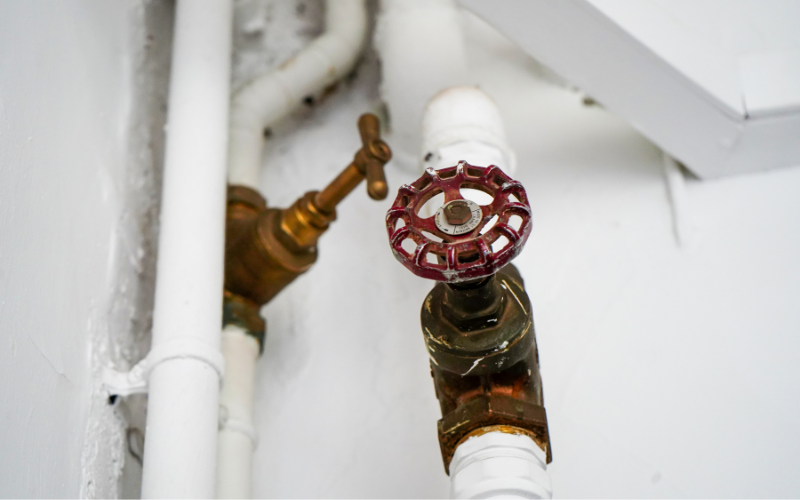 Exposure to chemical agentsSubstances such as sulfur dioxide, chlorides (salt in marine environments), or acids can accelerate the process. This occurs in the following cases:
In industrial environments, such as chemical plants, exposure to acid vapors and gases such as sulfur dioxide (SO₂) It causes accelerated corrosion in metal structures.
In areas where it is used salt to melt the snowMetallic vehicles and road structures experience accelerated corrosion due to contact with chlorides.
The metal storage tanks In industries, they must have anti-corrosive coatings to prevent damage caused by chemicals.
Extreme temperaturesHeat can increase the reactivity of oxygen with the metal, accelerating corrosion. This can occur here:
In thermoelectric power plants and boilersHigh temperatures increase the reactivity of oxygen with the metal, generating rapid oxidation.
The vehicle engines and industrial machinery Rust can develop on metal parts due to the combination of heat and ambient humidity.
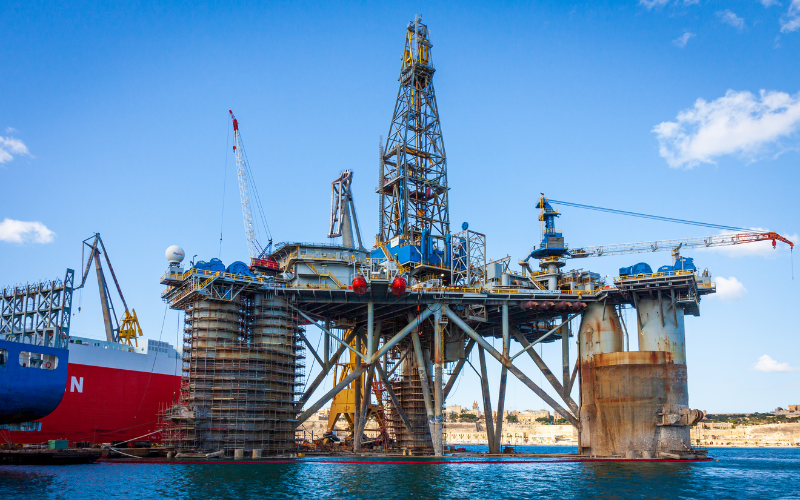
The oil platforms in the ocean They face a double problem: the heat from the machinery and exposure to salt water, which makes them prone to extreme corrosion.
Exposure to chemical agentsSubstances such as sulfur dioxide, chlorides (salt in marine environments), or acids can accelerate the process. This occurs in the following cases:
In industrial environments, such as chemical plants, exposure to acid vapors and gases such as sulfur dioxide (SO₂) It causes accelerated corrosion in metal structures.
In areas where it is used salt to melt the snowMetallic vehicles and road structures experience accelerated corrosion due to contact with chlorides.
The metal storage tanks In industries, they must have anti-corrosive coatings to prevent damage caused by chemicals.
Extreme temperaturesHeat can increase the reactivity of oxygen with the metal, accelerating corrosion. This can occur here:
In thermoelectric power plants and boilersHigh temperatures increase the reactivity of oxygen with the metal, generating rapid oxidation.
The vehicle engines and industrial machinery Rust can develop on metal parts due to the combination of heat and ambient humidity.
The oil platforms in the ocean They face a double problem: the heat from the machinery and exposure to salt water, which makes them prone to extreme corrosion.
 Lack of protectionMetal surfaces without paint, varnish, or anti-rust coatings rust faster. This happens in:
Nails iron railings without paint or varnish They begin to rust in a few months if exposed to the elements.
Garden toolsTools such as shovels and pruning shears develop rust if they are not protected with special oils or coatings.
In construction, the metal roof structures They can deteriorate if they do not receive antioxidant treatment, compromising their resistance over time.
Preventing oxidation is key to extending the lifespan of metal structureswhich makes the use of anti-rust paints and other protection methods.
Lack of protectionMetal surfaces without paint, varnish, or anti-rust coatings rust faster. This happens in:
Nails iron railings without paint or varnish They begin to rust in a few months if exposed to the elements.
Garden toolsTools such as shovels and pruning shears develop rust if they are not protected with special oils or coatings.
In construction, the metal roof structures They can deteriorate if they do not receive antioxidant treatment, compromising their resistance over time.
Preventing oxidation is key to extending the lifespan of metal structureswhich makes the use of anti-rust paints and other protection methods.
How to paint metal so that it doesn't rust?
To protect metal from oxidation with paint, it is essential to follow a meticulous process that ensures optimal adhesion and an effective barrier against corrosive agents. The essential steps are detailed below:1. Surface preparation
Proper surface preparation is crucial to ensure paint adhesion and effective protection.- Cleaning: Remove any traces of dirt, grease, oil, or contaminants using specific degreasers or alkaline solutions.
- Rust removal: If the surface has rust, it must be completely removed. This can be achieved using mechanical methods such as sanding, wire brushing, or abrasive discs. In cases of severe rust, it may be necessary to resort to... sandblast (sandblasting) for a deeper cleaning.
- Drying: After cleaning, make sure the surface is completely dry to prevent flash rust, which can occur quickly in the presence of moisture.
2. Application of an anti-rust primer
The primer acts as a base coat that improves the adhesion of the final paint and offers additional protection against corrosion.- Primer selection: Use an anti-corrosion primer appropriate for the type of metal and the environmental conditions to which it will be exposed. Zinc-rich primers are especially effective for steel surfaces, as they provide cathodic protection.
- Application: Apply the primer following the manufacturer's recommendations, using a brush, roller, or sprayer. It is essential to cover the entire surface evenly, paying special attention to edges, corners, and hard-to-reach areas.
3. Application of the finishing paint
Once the primer has dried properly, proceed to apply the topcoat, which will provide aesthetic and additional protection against corrosion.- Painting selection: Choose a paint suitable for metals and compatible with the primer used. Epoxy or polyurethane paints are common choices due to their durability and resistance to environmental factors.
- Application: Apply the paint in even coats, allowing adequate drying time between each coat according to the manufacturer's instructions. This will ensure complete coverage and optimal protection.
What is the best paint for metals exposed to the elements?
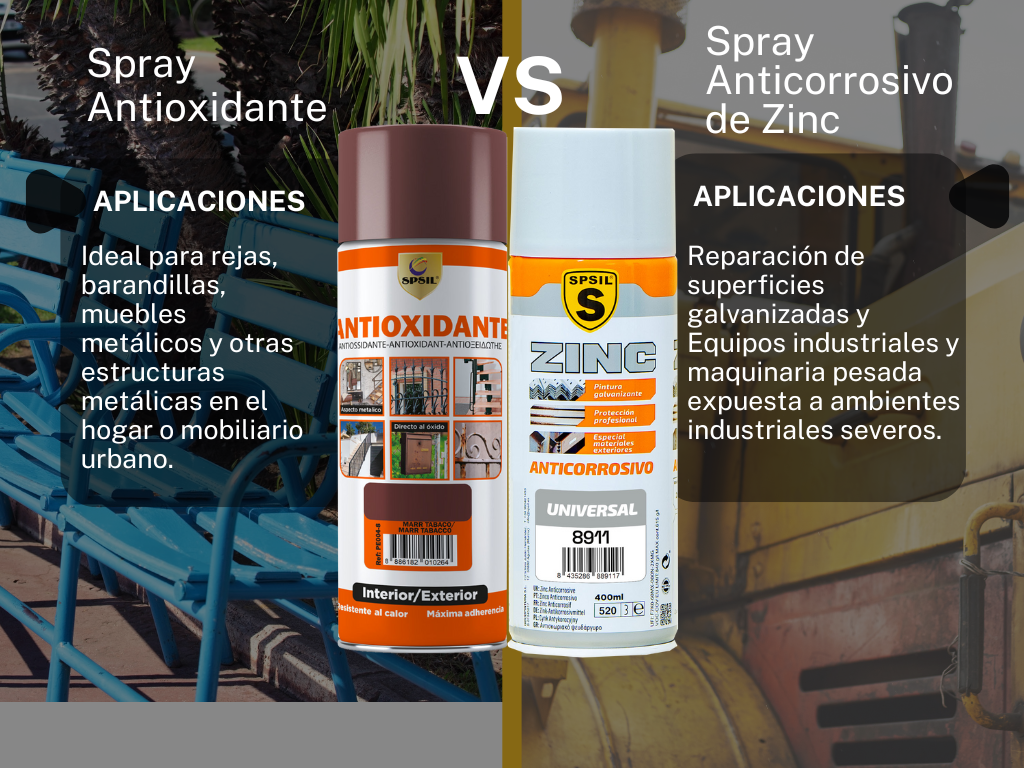
At SPSIL we have two ideal solutions for metal surfaces: the Antioxidant Spray and the Zinc Anti-corrosive PaintBelow, we explain the key differences between them and which one is best suited to each situation.SPSIL Antioxidant Spray
SPSIL Antioxidant Spray is formulated to protect and beautify metal surfacesThis product not only prevents oxidation, but also provides an aesthetic finish in a variety of colors, including aluminum, white, gold, dark gray, tobacco brown, metallic gold, metallic silver, black, silver, burgundy red, and carriage green. Recommended applications:- DIY projects and home maintenance: Ideal for painting and protecting railings, fences, metal furniture and other metal structures in the home.
- Light industrial applications: Suitable for machinery and equipment that require protection against rust and an aesthetic finish.
SPSIL Zinc Anti-Corrosive Paint
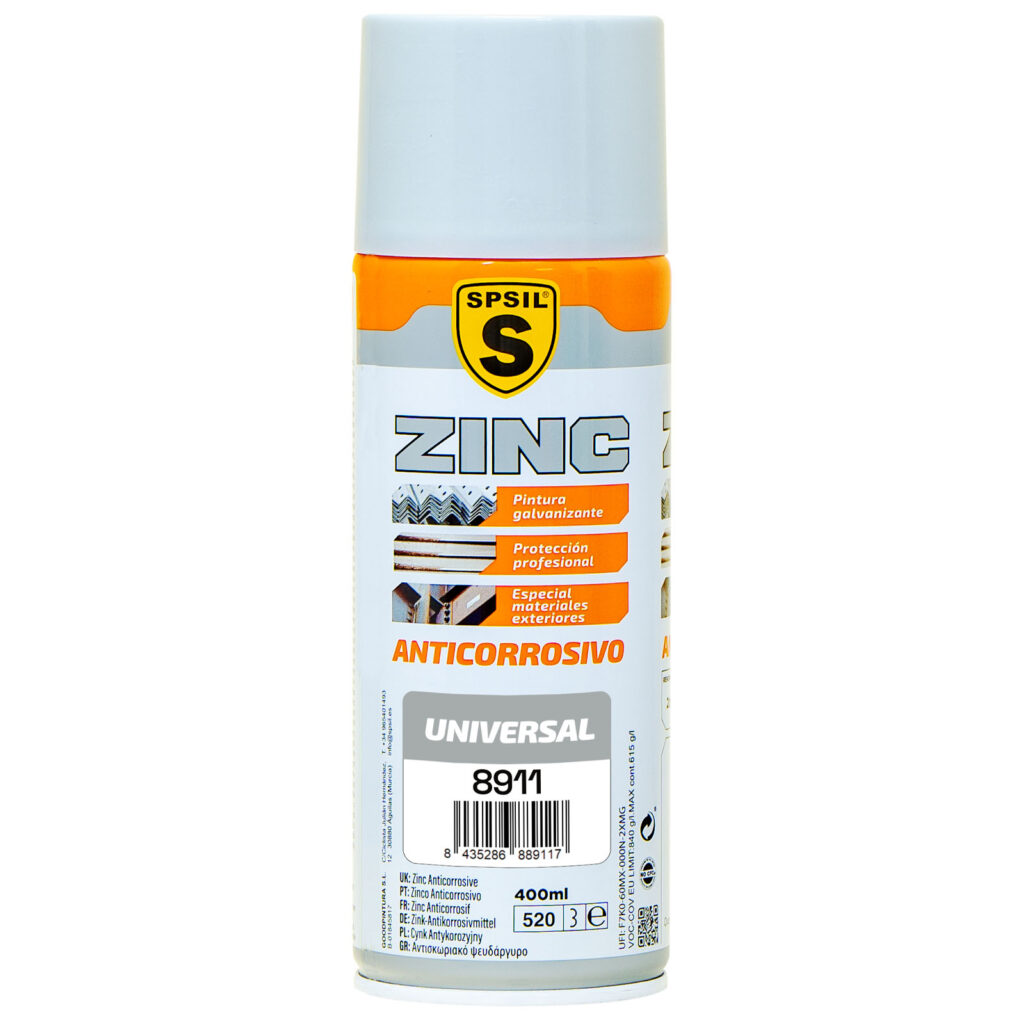
SPSIL Zinc Anti-Corrosive Paint is designed for to offer robust protection against corrosion on metal surfaces. Its advanced formula of galvanizing zinc It acts as an effective barrier against moisture and other corrosive agents, ensuring that metal structures remain in optimal condition. Recommended applications:- Metal structures in aggressive environments: Ideal for protecting bridges, transmission towers and other infrastructure exposed to adverse weather conditions.
- Repair of galvanized surfaces: Suitable for touching up and repairing damaged areas on previously galvanized surfaces.
- Industrial equipment and heavy machinery: It provides long-lasting protection against corrosion in equipment exposed to harsh industrial environments.
When should each product be applied?
The choice between SPSIL Anti-Rust Spray and Zinc Anti-Corrosion Paint depends on the specific protection and aesthetic needs:- Antioxidant Spray: It is the right choice when you want to combine rust protection with a decorative finish in a variety of colors. It is ideal for applications where aesthetic appearance is as important as protection, such as street furniture, decorative elements, and visible metal structures.
- Zinc Anti-Corrosive Paint: It is recommended in situations where corrosion protection is the top priority, especially in highly corrosive or industrial environments. Its high zinc content provides effective cathodic protection, making it ideal for metal structures exposed to extreme weather conditions or aggressive industrial environments.
Can rust-preventative paint be applied over old paint?
Yes, it can be applied Anti-rust paint over old paintHowever, it's crucial to ensure the surface is in good condition before doing so. If the existing paint is deteriorated, peeling, or has rust underneath, applying a new coat of paint won't solve the problem, and the corrosion will continue to spread. To achieve a successful application, follow these steps:1. Assess the condition of the old paint
Before applying the rust-preventative paint, inspect the surface to determine if the previous paint is still firmly adhered or if there are any weakened areas. If the paint is peeling or bubbling, it must be completely removed.2. Remove rust and loose paint
If there are signs of rust or the old paint is peeling, use tools such as sandpaper, wire brushes, or spatulas to remove damaged parts. For deep rust, consider using a rust converter before painting.3. Clean the surface
It is important to remove dust, grease, or residue with a industrial degreaser or isopropyl alcoholA dirty surface will reduce the adhesion of the new paint.4. Apply an anti-rust primer (optional)
If the old paint does not have anti-corrosive properties, apply a anti-rust primer coat It will ensure greater protection and better adhesion.5. Apply the new anti-rust paint
Use brush, roller or spray gun and apply in thin layers for a uniform and long-lasting finish.Conclusion
Apply rust-preventative paint over old paint. It is possible if the surface is in good condition and well preparedIf there is rust or deteriorated paint, it is essential to remove it before applying a new coat to ensure effective and long-lasting protection.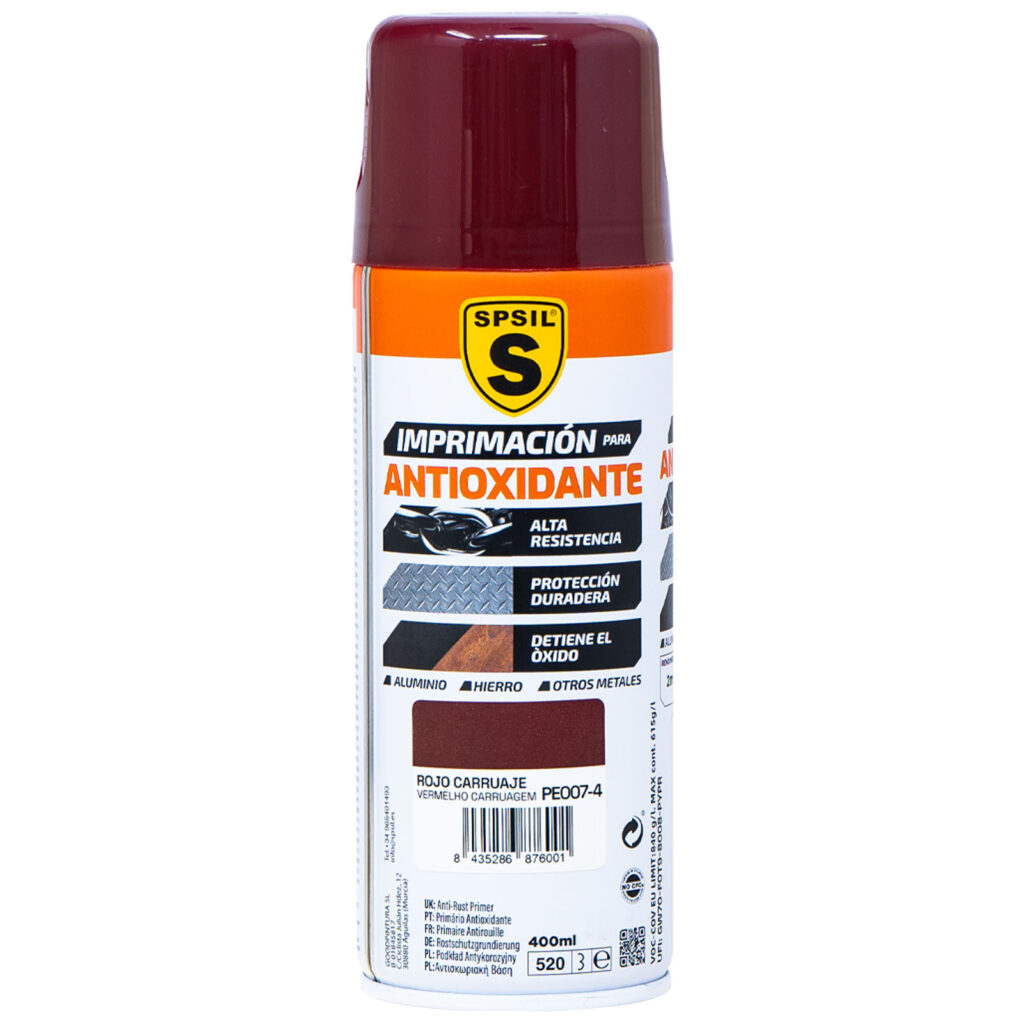
Rust-preventative paint. How to paint metal to prevent rust: A complete guide
Why does metal rust? You may already know the process of metal oxidation, but