
Blog
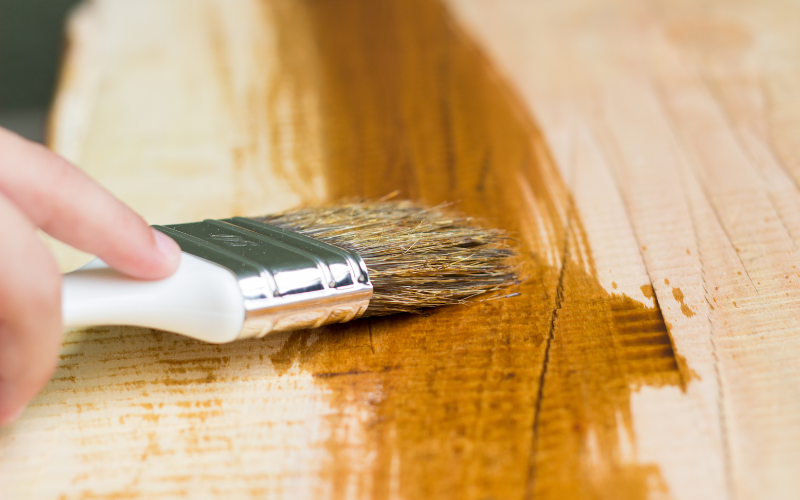
What is varnish?
He varnish It's more than just paint; it's actually a transparent coating intended to To protect, beautify and improve the durability of the surfaces we treat, whether on wood or on a surface previously treated with paint.Its composition varies depending on the type and application, but in general terms, it consists of resins, solvents and additives which, when dry, create a resistant protective film. You can find different types of varnish depending on their composition and characteristics. Some of the most commonly used are:- Into the waterQuick-drying and with low environmental impact. Ideal for indoor use.
- SyntheticIt offers greater resistance and is more durable, recommended for outdoor use.
- Polyurethane: Distinguished by its high resistance to moisture, chemicals and impacts.
- AcrylicIt is used on surfaces such as wood and paint to provide protection and shine.
- MarineDesigned to withstand extreme humidity and salinity conditions.
Where is varnish used?
One of the biggest questions is, where can I apply varnish? There's a common misconception that varnish is only for wood, but in this article we'll tell you which other surfaces can benefit from its qualities: protection, durability and an impeccable aesthetic finish.- Wood: The material par excellence is wood and it can be applied in different situations:
- As the final step in furniture restoration such as tables, chairs or cabinets, providing extra protection against daily wear and tear.
- Protection for parquet floorspreventing scratches and moisture.
- Protection against UV rays and rain in doors and windows
- Even in Musical instruments such as guitars and violins, enhancing their sound and appearance.
- Metal: One of the surfaces known for suffering from corrosion and wear now has an ally:
- Exterior metal structures, such as iron railings and gates.
- Automobileswhere automotive varnish protects the paint from scratches and UV rays.
- Household Appliancesproviding shine and impact resistance.
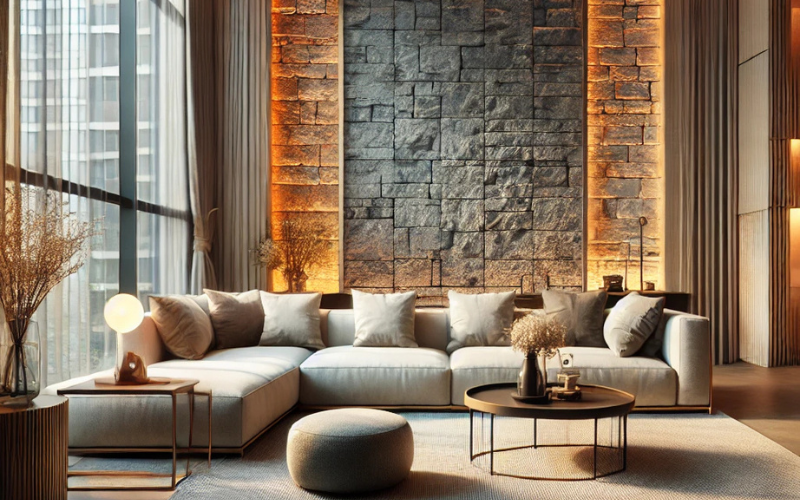
3. Stone: Surprised, right? Well, it's true, natural stone surfaces enhance their color with varnish, in addition to adding a protective layer against moisture and stains. Examples:
- Stone countertops in kitchens and bathrooms.
- Building facades for protection against pollution and environmental degradation.
4. Arts and crafts: In painting and sculpture, it protects the works from dust, humidity, and light. Examples:
- Oils and acrylics in squares, ensuring the durability of the colors.
- Wooden or ceramic sculpturesproviding a glossy or matte finish.
Why is wood varnished?
Now that you know where to apply it, let me explain. Why is it so important to do it on wood?As you well know, Wood is a porous, delicate, and highly susceptible natural material.When we varnish it, we help to preserve its appearance, structure and functionality over time. That's why it's so important in any restoration project.1. Protection against moisture and water
Humidity is wood's greatest enemy. If wood is not treated, it easily absorbs water from the environment, which can cause:- Swelling and deformationaltering the shape of the furniture.
- Cracks and fissures, as it expands and contracts with changes in temperature.
- Mold and mildew formationwhich can irreversibly damage the wood.
2. Greater resistance to wear and friction
Wooden furniture is everywhere you look in the house. For this reason, it commonly suffers more wear and tear from use than other surfaces, such as an interior stone wall. Eventually, they appear minor bumps and scratchesApplying varnish after a restoration creates a protective layer that:- Minimizes scratches and marks from daily useespecially on tables, chairs and parquet floors.
- Prevent the accumulation of dust and dirtmaking cleaning easier.
- Extends the life of the furniturepreventing it from losing its structure or strength over time.
3. Protection against UV rays and aging
Another advantage of varnish, which we mentioned earlier, is UV protection. This is ideal for garden furniture, which is exposed to sunlight year-round. Without protection, it can deteriorate. It will discolor, dry out, and you'll notice the wood becomes brittle.Some varnishes include UV filters, that:- They avoid the loss of color and shine in outdoor furniture.
- They prevent the formation of cracks and chips.
- They preserve the wood flexible and in good condition despite climate change.
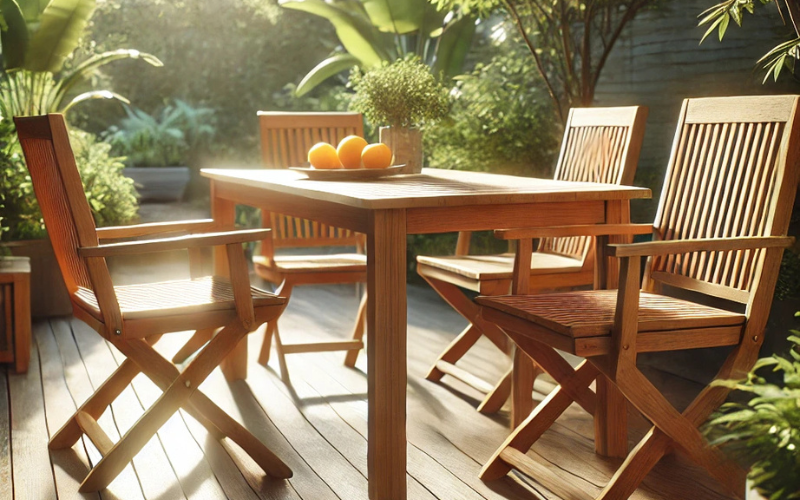
4. Enhancement of aesthetics and final finish
One of the most widespread uses of varnish is to enhance the natural beauty of wood. Depending on the type of varnish used, different finishes can be achieved:- Brilliantwhich provide a lustrous and sophisticated effect.
- Satin, with a balance between brightness and naturalness.
- Mathfor a more rustic and discreet finish.
- Tintedwhich allow you to slightly change the tone of the wood without losing its texture.
5. Protection against insects and pests
Although many people don't know it, a simple coat of varnish can act as a protective barrier against small pests such as Termites, woodworms, and other insectsthus avoiding compromising the furniture's structure. A suitable varnish can:- Prevent insects from boring into the wood.
- Act as a protective barrier against bacteria and microorganisms.
6. Easy maintenance and cleaning
A varnished piece of furniture is much easier to clean than an untreated one. The varnish layer prevents that liquids, oils or powder penetrate the wood, making it easy to clean with a simple damp cloth without risk of damage.Conclusion: Varnishing is essential after a renovation
If you restore or paint a wooden piece of furniture… you absolutely MUST varnish it! Leaving it unvarnished is the equivalent of leaving it unprotected… bare to the elements, to humidity, wear and tear, sunlight, and pests. Varnish It extends its lifespan, enhances its aesthetics, and facilitates its maintenance.ensuring that the renovation will remain in good condition for years to come.Why is it important to use varnish after painting?
When a surface is painted, whether it's wood, metal, stone, or even a work of art, the initial color and finish may look perfect. However, over time, humidity, friction, exposure to light, and dust can deteriorate the paint, causing wear, discoloration, and loss of shineThis is where varnish plays a fundamental role, acting as a protective layer which prolongs the life and appearance of the paint. Below, we explain the key reasons why applying varnish after painting is essential.1. Protection against moisture and water
Painted surfaces, especially outdoors or in humid environments like kitchens and bathrooms, are exposed to water and condensation. Without proper protection, the paint can absorb moisture, crack and peel Over time, the varnish acts as a waterproofing shieldpreventing water from penetrating and protecting the surface from stains, mold and mildew.
2. Greater resistance to wear and friction
Painted surfaces are often in contact with objects, people, and other elements that can cause wear and tear. In furniture, for example, daily use generates scuffs, scratches and color loss in the most exposed areas. When varnish is applied, a protective barrier which minimizes this damage, allowing the paint to remain intact for longer.3. Protection against UV rays and fading
Constant exposure to sunlight can cause the paint to fade. fades and loses its original colorThis is especially common on exterior surfaces such as doors, windows, garden furniture, or building facades. A varnish with UV filters help to preserve color intensitypreventing premature deterioration caused by sunlight.4. Uniformity and improved finish
After painting, minor irregularities in texture or differences in gloss may remain. Applying a coat of varnish helps to:- Homogenize the finishensuring that the entire surface has the same level of gloss or matte finish.
- Accentuate the colorsgiving them greater depth and prominence.
- Avoid brush or roller marksachieving a more professional appearance.
- Bright, ideal for highlighting colors and achieving a luminous effect.
- Satin, with a balance between brightness and naturalness.
- Matefor a more discreet and elegant effect.
5. Easy cleaning and maintenance
A properly applied varnish makes the surface easier to cleanUnprotected paint tends to absorb dust and dirt, while varnish repels these agents and allows for quick cleaning with a damp cloth. Furthermore, in the case of stains from liquids, grease, or mild chemicals, varnish prevents them from penetrating the paint.6. Greater durability and reduced long-term costs
Invest in varnishing a surface after painting it avoids frequent touch-ups and repaintingWithout varnish, paint deteriorates faster, leading to increased maintenance and restoration costs. With proper protection, paint can be kept in perfect condition for years to come. years.Conclusion: An essential step to protect and beautify
Apply varnish after painting It's not just an aesthetic choice, but a functional necessity.It protects against water, wear, fading, and dust, enhances the finish, and makes cleaning easier. If you're looking for a durable, flawless-looking paint job, varnish is the final step that guarantees a long-lasting, impeccable finish. resistance, shine and a long service life on any painted surface.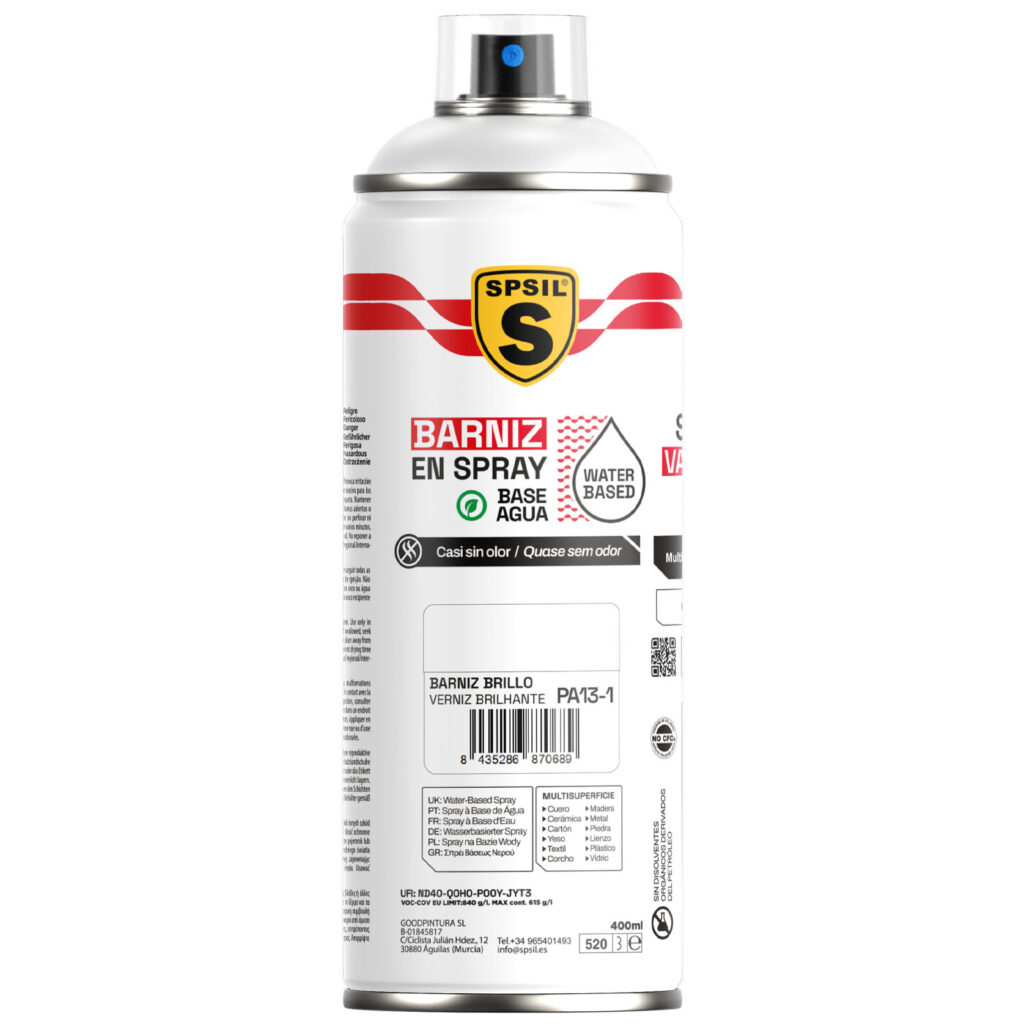
Varnish: What is it, where is it used, and why apply it after painting?
What is varnish? Varnish is more than just paint; it's actually a transparent coating intended to